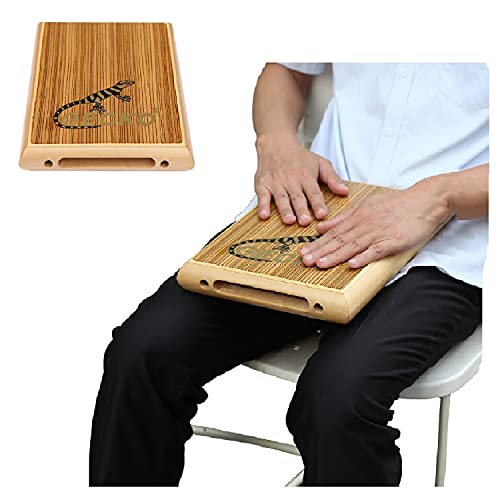
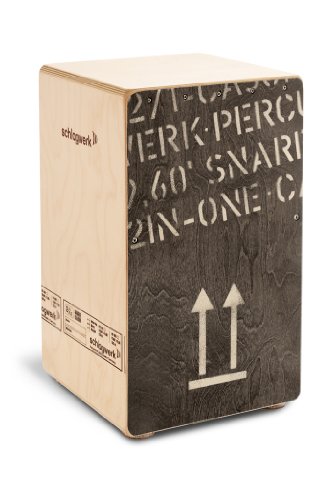
Sawtooth cajon (ST-CSC-S)


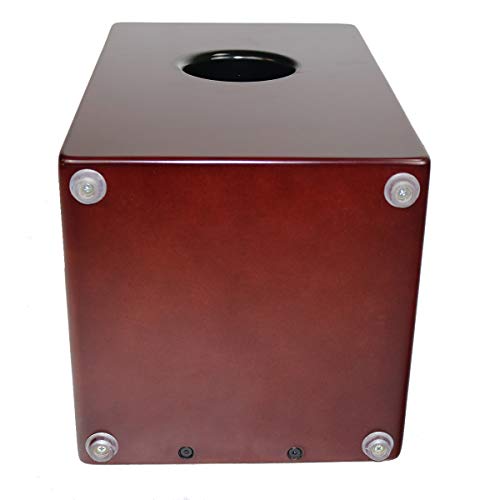
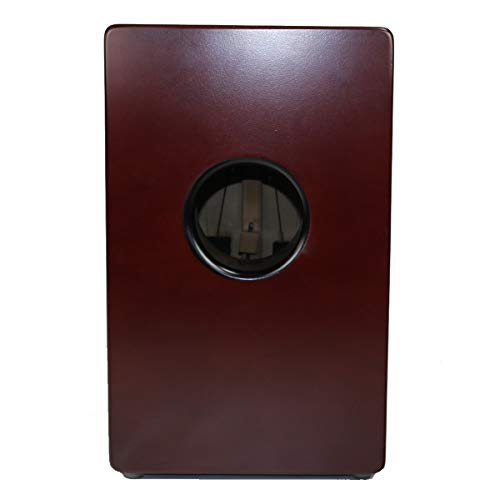
Key features
- •Cedar/Mohena Ply Front Plate
- •Proprietary Bass Port enhances the low end frequencies, adding more punch
- •Evenly spaced coiled snare system offer consistent snare response
- •Durable rubber base feet raise the cajon off of the floor/stage, protecting the cajon's shell
- •The Sawtooth Cedar Wood String Snare Cajon Box Drum is perfect for beginners and professionals
Sawtooth cajon (ST-CSC-S)
List Price: $105.89$95.30DEALYou Save: $10.59 (10%)
Free shippingFree Returns – 30 daysFree Order CancellationSecure Payment2–3 Days DeliveryGet It October 25, 2026In Stock (1)No marketing spamNo account requiredFulfilment by FedEx / Amazon / UPS / ShipwirePayPal / Card Buyer Protection
Customer Reviews
Reviews sourced from verified Amazon purchasers4.5
out of 5
Based on 3 reviews
5★
100%
4★
0%
3★
0%
2★
0%
1★
0%
Great sound, Awesome value
playphil✓ Verified Purchase•January 29, 2024
This is a wonderful Cajon, it's a bit larger than I imagined, but same as the listed dimensions. It's light enough to easily carry, but heavy enough that it feels sturdy, just the right balance. It looks great, sounds great, can be very loud or soft depending on where and how you hit it.
What's not to like?
james r porter✓ Verified Purchase•November 6, 2023
Who would have thought you could make music with a box!
Oooo... Boxy...
Medea L.✓ Verified Purchase•September 30, 2023
Newbie tips:
Most cajons are modular, versatile instruments. Tuning one is more like a science experiment to find how you can get the best sound from your instrument. Use trial and error until you find sounds that you enjoy consistently brought to life with greater ease.
Inside description:
There is a central spine floating from top to the bottom of the drum, with a bolt, and included allen wrentch to adjust tension.
Two small clusters of jangles on elastic bands; strung on diagonal, from center of drum on spine to top corners
There are 2 snare wires running across the entirety of the playing surface on each side, using velcro to hold loose tension to the head. Snares secured on top and bottom of drum.
What did I do?
I purchased this primarily as furniture. It's an amazing stool, or guest chair. I'm also a percussionist and have been wanting a new one since losing my old one in a move. Played quite a few cajons, but by no means am I an expert; so here's my insider review.
Sounded bad out of the box, but that's to be expected. Buy a guitar in the mail, it won't be in tune either.
Snare seemed odd to me, but knowing I wanted only one small part to buzz, zero jangles, and a quick bass note, my work was cut out for me.
Removed jangles. Not my style, but appeared to be able to be mounted in other spots, if you got creative.
Removed all the velcro tensioner from both snares, and used them all as dampeners on one side. Spaced them out in increasing distance for different tom effect.
I now had one snare with no contact to the head. Used a little bit of duct tape and about a dozen buisness cards, muted the bottom half of the snare, and re anchored it on cardstock paper. And applied just enough tension to get a buzz on my preferred snare spot. Sigh of relief. Slightly increase tension from spine. Hard part over.
The bass sounded washed out, and would buzz the snare at first. After my snare adjustments, a couple of grandma's sweaters were shoved densely into the bottom 25% of the drum. Big bass hit.
Rim shots and hi hat both get done by me on one top corner. Every screw on the head was very tightly fastened. Very good. Slowly loosened a few screws on one corner until a light slap dealt a satisfying wood-on-wood crack. Loosened the whole corner only enough to hear it. The idea is that a downward hit on the corner brings 2 pieces together, while a diagonal strike will contact the head to the top and side of the drum, making a louder, more disjointed sound.
Great furniture, good drum for your money! Have fun making it your own!
Most cajons are modular, versatile instruments. Tuning one is more like a science experiment to find how you can get the best sound from your instrument. Use trial and error until you find sounds that you enjoy consistently brought to life with greater ease.
Inside description:
There is a central spine floating from top to the bottom of the drum, with a bolt, and included allen wrentch to adjust tension.
Two small clusters of jangles on elastic bands; strung on diagonal, from center of drum on spine to top corners
There are 2 snare wires running across the entirety of the playing surface on each side, using velcro to hold loose tension to the head. Snares secured on top and bottom of drum.
What did I do?
I purchased this primarily as furniture. It's an amazing stool, or guest chair. I'm also a percussionist and have been wanting a new one since losing my old one in a move. Played quite a few cajons, but by no means am I an expert; so here's my insider review.
Sounded bad out of the box, but that's to be expected. Buy a guitar in the mail, it won't be in tune either.
Snare seemed odd to me, but knowing I wanted only one small part to buzz, zero jangles, and a quick bass note, my work was cut out for me.
Removed jangles. Not my style, but appeared to be able to be mounted in other spots, if you got creative.
Removed all the velcro tensioner from both snares, and used them all as dampeners on one side. Spaced them out in increasing distance for different tom effect.
I now had one snare with no contact to the head. Used a little bit of duct tape and about a dozen buisness cards, muted the bottom half of the snare, and re anchored it on cardstock paper. And applied just enough tension to get a buzz on my preferred snare spot. Sigh of relief. Slightly increase tension from spine. Hard part over.
The bass sounded washed out, and would buzz the snare at first. After my snare adjustments, a couple of grandma's sweaters were shoved densely into the bottom 25% of the drum. Big bass hit.
Rim shots and hi hat both get done by me on one top corner. Every screw on the head was very tightly fastened. Very good. Slowly loosened a few screws on one corner until a light slap dealt a satisfying wood-on-wood crack. Loosened the whole corner only enough to hear it. The idea is that a downward hit on the corner brings 2 pieces together, while a diagonal strike will contact the head to the top and side of the drum, making a louder, more disjointed sound.
Great furniture, good drum for your money! Have fun making it your own!