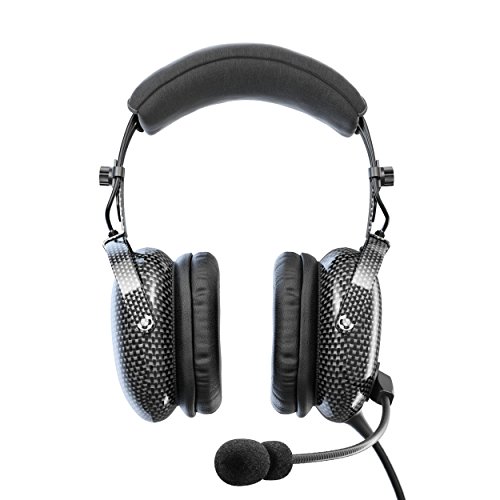
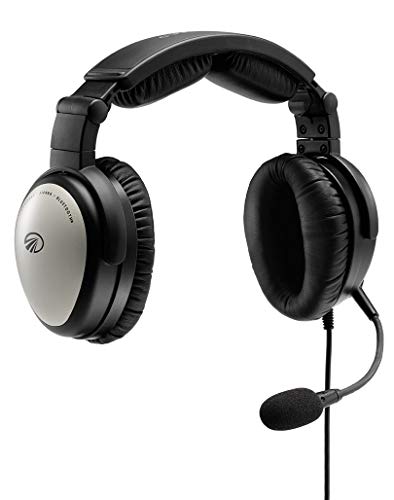
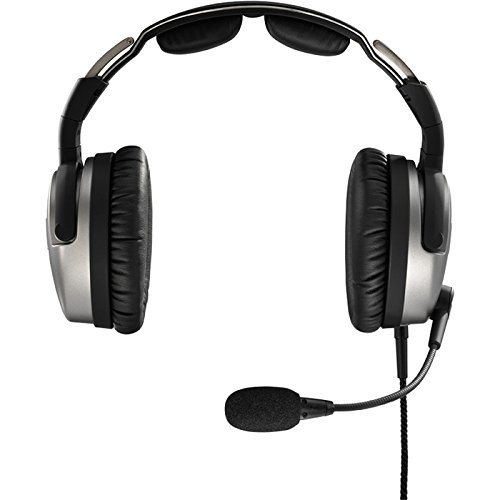
Lightspeed Zulu PFX ANR Aviation Headset (Dual GA Plugs)
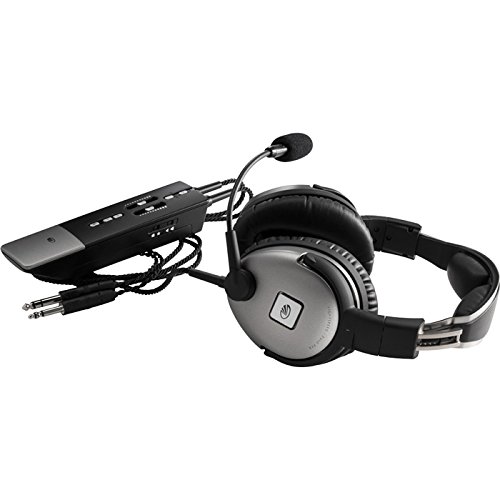
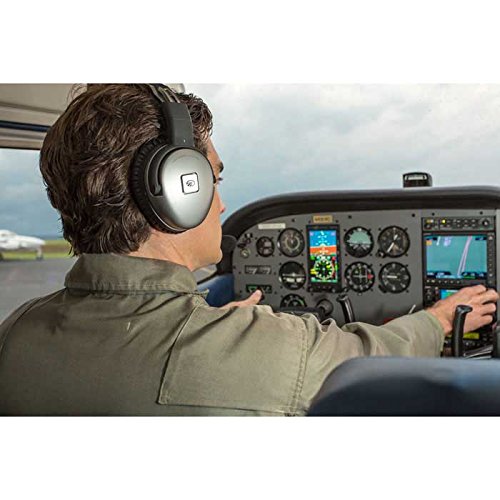

Key features
- •Ultimate quiet and clarity - The proprietary innovations and advanced features in Zulu PFX work in concert to deliver astounding clarity and the world's quietest headset.
- •Comfort - Based on the LightComfortTM design made famous by Zulu.2, Zulu PFX features soft ear seals, exceptional fit, and a head-friendly 14 ounces.
BrandLightspeed
CategoryHeadsets & Intercoms
Lightspeed Zulu PFX ANR Aviation Headset (Dual GA Plugs)
List Price: $1859.17$1673.25DEALYou Save: $185.92 (10%)
Free shippingFree Returns – 30 daysFree Order CancellationSecure Payment2–3 Days DeliveryGet It October 25, 2026In Stock (10)No marketing spamNo account requiredFulfilment by FedEx / Amazon / UPS / ShipwirePayPal / Card Buyer Protection
Customer Reviews
Reviews sourced from verified Amazon purchasers3.8
out of 5
Based on 10 reviews
5★
60%
4★
10%
3★
10%
2★
10%
1★
10%
Great but......
Eric R•July 20, 2017
Here's the deal. I ordered these and the Bose A20's and I tried them both while flying in a Cessna 172S. First for the good and where these headphone shined and beat the Bose. These PFX's are extremely well made with fine materials. They look and feel extremely sturdy and really high-end. Lots of metal and very nice finishes on the various materials. In comparison the Bose headphones were made all with plastic and just don't look like $1,000 headphones. Also the case that came with the PFX's is really nice and again looks and feels high end. It is a semi-hard case with a very nice interior where the headphones fit perfectly and are kept secure. In comparison to Bose headphones are in a very flimsy soft case that just looks and feels cheap. The total cost on materials and labor on the Bose case might be $4 at most and it would probably sell as a stand along case for about $8. The PFX case on the other hand could sell for $15 to $20 as a standalone case. If the PFX case got sat on, the headphones inside would most likely be protected. Not so much with the Bose case. The PFX headphones also comes with a great free iPhone and iPad application where you can record all of the two way communications, as well as change some cool advanced settings for the headphones. It also includes a digital scratch pad to take notes.
Now for the areas where the Bose headphone are superior. The Bose headphone are definitely superior in terms of noise cancellation. The PFX headphone actually do a great job of blocking out outside sound just wearing the headphones without the power and noise cancellation turned on. The improvement when you turn on the noise cancellation is very good.
But the active noise cancellation with the Bose A20's is outstanding. Without scientific testing equipment it's really hard to at exactly how much better the Bose headphones are in terms of active noise cancellation, but I would say ballpark probably about 25% better than the PFX's. On a scale of 1 to 10 I would rate the Bose as a 10 and the PFX's as an 8. That doesn't mean that the Bose block out all sound. The fact is there are no headphones or earplugs that block out 100% of sounds. There are no headphones or earplugs that block out all sound no matter the level and tone.
But I gave the Bose a 10 out of 10 because they are simply the best noise canceling aviation headphones and they also make the best noise canceling ear buds and regular non-aviation noise canceling headphones.
Another big advantage for the Bose A20's is in terms of weight and overall comfort. Due to the fact that the PFX headphone are so well made with high quality materials including a good amount of metal, they weigh more than the Bose headphones. The listed weight spec for the Bose A20's on their website is 12oz and the PFX's are listed as 13.9oz which is obviously a difference of only 1.9oz. I can't explain why, but when wearing each of the headphones the PFX's feel at least 1/3 heavier. After wearing each of them for extended periods of time including switchinh back and forth between them multiple times, it really felt like the PFX's weighed twice as much but maybe part of that was just metal because I saw and felt how well made they were in comparison to the Bose. But I can tell you with certainty that the PFX's hurt my head a lot after only wearing them for about 15 minutes. I can't imagine wearing them for an hour or multiple hours at a time. Now perhaps they will loosen up and become more comfortable over time as the metal band bends and becomes more adapted to your head. But with $1,000 headphones I can't take the chance that they don't loosen up and then I can't return them because they are too used at that point.
Bose has a long history of making very high quality well made products with top of the line materials so I really think they chose to use plastics instead of metal to make their headphone lighter and more comfortable to wear for long stretches.
One other difference that may contribute to the difference in comfort in addition to the weigh difference is the fact that the head band on the Bose has a hinge at the half way point on top of your head. This enables the headphones to open and close to fit into any size head easily. There is a spring on the hinge that applies enough pressure to keep the ear cushions firm against your head so they make a good seal but the band doesn't push against your head too much so as to cause head pain.
The PFX head band has no hinge so when you put the headphones on your head the metal band wants to return to its normal shape and it puts too much pressure on your head which cause pain. At least for me they did.
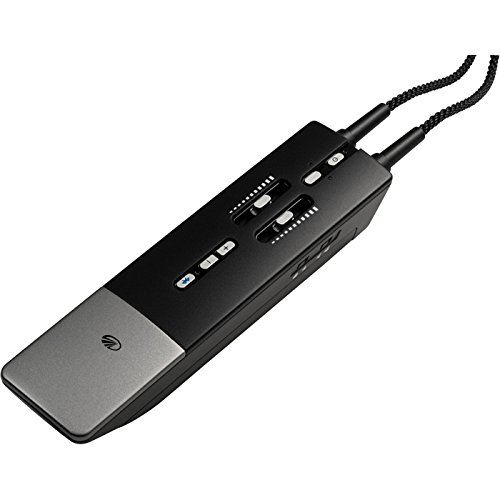
Also the PFX's have a much larger and heavier control box that is attached to the headphone wire. The control box alone probably weighs at least 1 pound. Again it looks and feels much better made and much higher quality than the cheaper plastic used in the Bose control box but that extra weight is cumbersome when attached to your wire that runs from your headphones to the plane audio jack. The Bose control box is about 1/3 of the size of the PFX control box and only about 1/4 of the weight. In a cramped small plane the heavy large control box of the PFX's was very cumbersome and annoying to find a place to keep in in reach to control volume and such but at the same time keep it out of the way. The Bose control box being much small and lights was much more practical.
Also the PFX carry case is almost twice the size and twice the weight of the Bose case. While it looks and feels a lot nicer and provides much better protection for the headphone than the Bose case, it is very cumbersome to tote around that big heavy case and it takes up more space in the plane.
As far as Bluetooth, they were both equally easy to connect to my iPhone and iPad.
Although it's hard to part with such beautiful extremely well crafted, fantastic looking headphones, in terms of practical use, I have to keep the Bose A20's and return the PFX's.
I really want to keep the PFX's because they look and feel so amazing and the Boss just look much cheaper and the fact that I spent an outrageous $1,000 on them and I really want to feel like I got a product that looks and feels like a $1,000 set of headphones. But the Bose headphones clearly win in all of the practical areas that truly matter for aviation headphones. They simply have better noise cancellation and they much more comfortable and the headphones, case, and control box are all smaller, lighter, more compact and easier to manage while flying in a small aircraft.
I will post side by side photos of the two sets of headphones as well as their cases and control boxes.
Now for the areas where the Bose headphone are superior. The Bose headphone are definitely superior in terms of noise cancellation. The PFX headphone actually do a great job of blocking out outside sound just wearing the headphones without the power and noise cancellation turned on. The improvement when you turn on the noise cancellation is very good.
But the active noise cancellation with the Bose A20's is outstanding. Without scientific testing equipment it's really hard to at exactly how much better the Bose headphones are in terms of active noise cancellation, but I would say ballpark probably about 25% better than the PFX's. On a scale of 1 to 10 I would rate the Bose as a 10 and the PFX's as an 8. That doesn't mean that the Bose block out all sound. The fact is there are no headphones or earplugs that block out 100% of sounds. There are no headphones or earplugs that block out all sound no matter the level and tone.
But I gave the Bose a 10 out of 10 because they are simply the best noise canceling aviation headphones and they also make the best noise canceling ear buds and regular non-aviation noise canceling headphones.
Another big advantage for the Bose A20's is in terms of weight and overall comfort. Due to the fact that the PFX headphone are so well made with high quality materials including a good amount of metal, they weigh more than the Bose headphones. The listed weight spec for the Bose A20's on their website is 12oz and the PFX's are listed as 13.9oz which is obviously a difference of only 1.9oz. I can't explain why, but when wearing each of the headphones the PFX's feel at least 1/3 heavier. After wearing each of them for extended periods of time including switchinh back and forth between them multiple times, it really felt like the PFX's weighed twice as much but maybe part of that was just metal because I saw and felt how well made they were in comparison to the Bose. But I can tell you with certainty that the PFX's hurt my head a lot after only wearing them for about 15 minutes. I can't imagine wearing them for an hour or multiple hours at a time. Now perhaps they will loosen up and become more comfortable over time as the metal band bends and becomes more adapted to your head. But with $1,000 headphones I can't take the chance that they don't loosen up and then I can't return them because they are too used at that point.
Bose has a long history of making very high quality well made products with top of the line materials so I really think they chose to use plastics instead of metal to make their headphone lighter and more comfortable to wear for long stretches.
One other difference that may contribute to the difference in comfort in addition to the weigh difference is the fact that the head band on the Bose has a hinge at the half way point on top of your head. This enables the headphones to open and close to fit into any size head easily. There is a spring on the hinge that applies enough pressure to keep the ear cushions firm against your head so they make a good seal but the band doesn't push against your head too much so as to cause head pain.
The PFX head band has no hinge so when you put the headphones on your head the metal band wants to return to its normal shape and it puts too much pressure on your head which cause pain. At least for me they did.
Also the PFX's have a much larger and heavier control box that is attached to the headphone wire. The control box alone probably weighs at least 1 pound. Again it looks and feels much better made and much higher quality than the cheaper plastic used in the Bose control box but that extra weight is cumbersome when attached to your wire that runs from your headphones to the plane audio jack. The Bose control box is about 1/3 of the size of the PFX control box and only about 1/4 of the weight. In a cramped small plane the heavy large control box of the PFX's was very cumbersome and annoying to find a place to keep in in reach to control volume and such but at the same time keep it out of the way. The Bose control box being much small and lights was much more practical.
Also the PFX carry case is almost twice the size and twice the weight of the Bose case. While it looks and feels a lot nicer and provides much better protection for the headphone than the Bose case, it is very cumbersome to tote around that big heavy case and it takes up more space in the plane.
As far as Bluetooth, they were both equally easy to connect to my iPhone and iPad.
Although it's hard to part with such beautiful extremely well crafted, fantastic looking headphones, in terms of practical use, I have to keep the Bose A20's and return the PFX's.
I really want to keep the PFX's because they look and feel so amazing and the Boss just look much cheaper and the fact that I spent an outrageous $1,000 on them and I really want to feel like I got a product that looks and feels like a $1,000 set of headphones. But the Bose headphones clearly win in all of the practical areas that truly matter for aviation headphones. They simply have better noise cancellation and they much more comfortable and the headphones, case, and control box are all smaller, lighter, more compact and easier to manage while flying in a small aircraft.
I will post side by side photos of the two sets of headphones as well as their cases and control boxes.
Tried the Zulu.2's and A20's, compared to the PFX. PFX is outstanding!
CD•March 15, 2016
I originally ordered the Zulu.2 directly from LS under the CFI program. I couldn't get past the stated size of the PFX "cpu" case and the fact that it requires 4 AA batteries with a short battery life (5-10 hours in some reviews). I had the Zulu.2 for two weeks and compared it with a pair of new Bose A20's by switching my student for a portion of a flight. We both agreed the Zulu.2 was more comfortable, but noise canceling seemed to block high decibel noise, and the Bose seemed to block Lower decibel noise, so not much different. After two weeks I decided to move up to the PFX. I kept the Zulu.2's just in case (still within 30 day trial). The first try of the PFX was amazing, as stated by others, it is quiet, but placed in favorite mode and after the acoustic mapping a couple minutes later they go super quiet, I though the engine had gone out on taxi! Battery box is not an issue as far as size, the cord is cool and doesn't tangle. As far as battery life I am on my third set. First set (new Duracell) lasted 18 hours with about 7 hours of heavy streaming with blue tooth. Second set of batteries (cheap ones that came with the headset) lasted about 15 hours with 3-4 hours of Bluetooth use. Third set just started to indicate low battery today (about 5 hours remaining when that happens is accurate) after 17 hours with about 4 hours of Bluetooth use. I hope this provides a more accurate review than those I came across. Two of my students are ordering the PFX now, one is returning his Bose A20's in the 30 day return period. Best headset available on the market.
Unfortunately, had to return.
Motown resident•March 9, 2016
Overall, it is a good headset. Noise attenuation works pretty good and cut out engine noise and all voices coming in to the headset from air traffic control and your coworker are very clear and crisp. Noise cancellation levels are so deep that you don't hear the engine sound from the jet engine, thus you might overreact to the airspeed oscillation in some occasions especially when it is gusty outside. You won't miss any radio calls from ATC either.
But unfortunately, I had to return this item for several reasons.
1) First off, it is not quite an airline industry oriented headset. It came to my surprise that this headset is not TSO approved. Since LightSpeed had been known for a great noise attenuation headset for years, I thought all their headsets are TSO'd. Well, it is not simply the case. Depending on what company you work for, you are not simply allowed to use this headset if your FOM states so. It is a big drawback.
2) I had a big banging noise on my headset during takeoff or landing roll in a few occurrences. The rougher surface the runway is, simply the worse. That was on the left side where the microphone is attached and that banging noise was so big that I was scared I might end up with a hearing loss.
3) The sidetone voice level is quite low and it feels like you are talking underwater. If you have either an iPad or iPhone, you can solve that problem by using Flightlink app. It's available on iTunes but not for Android. But once you turned the volume up, it picks up a lot environmental noise and it's not quite comfortable. It seems like to me, though, at least my FO and ATC never had problems communicating with me so if you are ok not listening yourself clear enough, you can probably keep it low.
But once again, the biggest drawback which triggered me to returning the headset was that the headset wasn't TSO'd. It seems like the LightSpeed has a great technology for attenuation of the noise greatly so I am very sorry to myself that not only I can't use this product as my primary headset, but also Zulu or Sierra would not be my options, either.
But unfortunately, I had to return this item for several reasons.
1) First off, it is not quite an airline industry oriented headset. It came to my surprise that this headset is not TSO approved. Since LightSpeed had been known for a great noise attenuation headset for years, I thought all their headsets are TSO'd. Well, it is not simply the case. Depending on what company you work for, you are not simply allowed to use this headset if your FOM states so. It is a big drawback.
2) I had a big banging noise on my headset during takeoff or landing roll in a few occurrences. The rougher surface the runway is, simply the worse. That was on the left side where the microphone is attached and that banging noise was so big that I was scared I might end up with a hearing loss.
3) The sidetone voice level is quite low and it feels like you are talking underwater. If you have either an iPad or iPhone, you can solve that problem by using Flightlink app. It's available on iTunes but not for Android. But once you turned the volume up, it picks up a lot environmental noise and it's not quite comfortable. It seems like to me, though, at least my FO and ATC never had problems communicating with me so if you are ok not listening yourself clear enough, you can probably keep it low.
But once again, the biggest drawback which triggered me to returning the headset was that the headset wasn't TSO'd. It seems like the LightSpeed has a great technology for attenuation of the noise greatly so I am very sorry to myself that not only I can't use this product as my primary headset, but also Zulu or Sierra would not be my options, either.
Great headset if it would work correctly and customer service a huge disappointment.
fredrok•January 5, 2016
Update 02/16:
I escalated this issue with Lightspeed and in the end, they made good in refunding me for the PFX headsets. We moved to the Zulu 2 headsets and really like them.
Purchased 2 of these for a total of $2150 for our King Air. Since the first week I bought them I've been working with customer support to troubleshoot a voice activation issue. We have to practically eat the mic in order for the vox to pick up our voices in conversation and not lose the first few words and cut out constantly mid-conversation. So 5+ months later after trying this and that at their guidance and even sending one back for "repair" (at our expense) it's actually a bit worse. Turns out Proline 21 avionics suites aren't PFX friendly; they've seen this on other units as well so it's a known issue. That and the battery life is a joke. Advertised 20hrs and I don't think we've managed more than 12-13 without Bluetooth or anything else attached. That gets expensive on 4 AAs each time.
So after working VERY PATIENTLY with them for 5-6 months to rectify an issue we've had since new and one they know about, they're out of ideas and their answer now is to sell them on eBay or Craigslist....for a loss of course...and they'll sell me non-discounted Zulu 2s that should do the trick.
1 star for customer service that is friendly but sucks in the end and 1 extra because they are comfortable.
I escalated this issue with Lightspeed and in the end, they made good in refunding me for the PFX headsets. We moved to the Zulu 2 headsets and really like them.
Purchased 2 of these for a total of $2150 for our King Air. Since the first week I bought them I've been working with customer support to troubleshoot a voice activation issue. We have to practically eat the mic in order for the vox to pick up our voices in conversation and not lose the first few words and cut out constantly mid-conversation. So 5+ months later after trying this and that at their guidance and even sending one back for "repair" (at our expense) it's actually a bit worse. Turns out Proline 21 avionics suites aren't PFX friendly; they've seen this on other units as well so it's a known issue. That and the battery life is a joke. Advertised 20hrs and I don't think we've managed more than 12-13 without Bluetooth or anything else attached. That gets expensive on 4 AAs each time.
So after working VERY PATIENTLY with them for 5-6 months to rectify an issue we've had since new and one they know about, they're out of ideas and their answer now is to sell them on eBay or Craigslist....for a loss of course...and they'll sell me non-discounted Zulu 2s that should do the trick.
1 star for customer service that is friendly but sucks in the end and 1 extra because they are comfortable.
After Extensive Comparison between Bose, AKG and Zulu PFX, the Zulu PFX Wins
Pilot711•May 15, 2015
Below are my comparisons between the AKG AV100, Zulu PFX and Bose. Please note that I tested all in flight as well as on the ground. I did not add the pros and cons for the Bose because I already owned them. Basically, the Bose are substantially better than the AKG's with build quality and ANR. I was looking for another pair because I'm tired of not having Bluetooth music with the Bose (Bose has been really stubborn with its lack of use of Bluetooth). With that being said, the Zulu PFX do perform substantially better than the Bose across the board......build quality, features and ANR. I also believe the $1175 for the Zulu PFX headsets is well worth it. The ability to firmware update and change setting with your phone or iPad is awesome. I also wanted to mention the substantial "white noise" in the AKG's. The hiss is totally noticeable and makes one wonder if pumping that noise in the headset even qualifies as noise canceling. I originally purchased the AKG's for the initial comfort and integrated lights but was discouraged with the white noise and extremely long, thin and cheap feeling cord.
Zulu PFX
Pros:
Build Quality
Great Cord
Clip on CPU
Firmware Upgradable
Voice Recording w/ap
Setting Change w/ap
Ear space inside cup
Music Quality
Bluetooth Music
Hard Shell Case for protection
Excellent Customer Service
Firm Ear Cups
Cons:
Huge CPU
Poor battery life
AKG AV100
Pros:
Lights
Light ear pressure
Very comfortable
Bluetooth voice prompt
Music Quality
Lemo Plug
Great case
Ability to switch microphone sides
Least Expensive
Cons:
Cord is long and skinny
Cheap plastic
Case doesn't protect well
Customer Service
Too much white noise
Ear pads compress too easily
Zulu PFX
Pros:
Build Quality
Great Cord
Clip on CPU
Firmware Upgradable
Voice Recording w/ap
Setting Change w/ap
Ear space inside cup
Music Quality
Bluetooth Music
Hard Shell Case for protection
Excellent Customer Service
Firm Ear Cups
Cons:
Huge CPU
Poor battery life
AKG AV100
Pros:
Lights
Light ear pressure
Very comfortable
Bluetooth voice prompt
Music Quality
Lemo Plug
Great case
Ability to switch microphone sides
Least Expensive
Cons:
Cord is long and skinny
Cheap plastic
Case doesn't protect well
Customer Service
Too much white noise
Ear pads compress too easily
Page 1 of 2